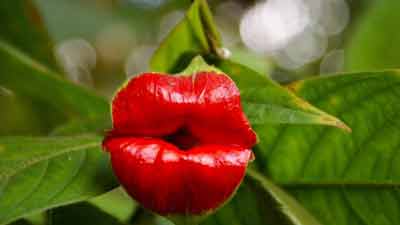
 1.HOOKER LIPS These gorgeous pair of red, luscious lips belong to a plant known as Psychotic elate, a tropical tree found in the rain forests of Central and South American countries like Colombia, Costa Rica, Panama and Ecuador. Affectionately, Psychotic elate is called Hooker’s Lips or the Hot Lips Plants. The plant has apparently evolved into its current shape to attract pollinators including hummingbirds and butterflies. The bracts are only kissable for a short while, before they spread open to reveal the plant’s flowers.
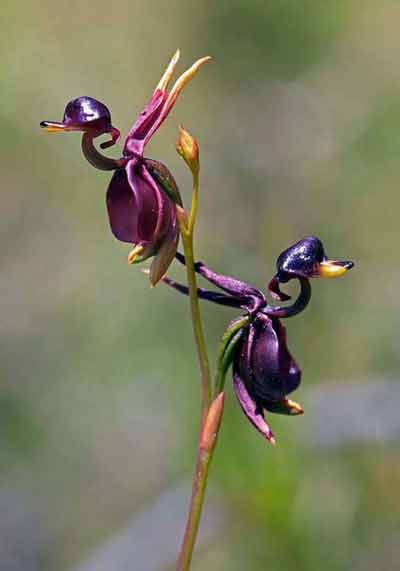 2.Beautiful FLYING DUCK ORCHID…Caleana major, the Flying Duck Orchid is a small orchid found in eastern and southern Australia. This terrestrial plant features a remarkable flower , resembling a duck in flight. The flower is an attractant to insects, such as male sawflies which pollinate the flower in a process.Its length and breadth serve as a landing pad for sawflies, the insects which usually pollinate this flower, and if any bugs have problems figuring out where the pollen is, it points them the right way. When a sawfly lands on the column of the Flying Duck Orchid, its weight forces the labellum to spring down on it. The insect is trapped and the only way out is via the pollen..
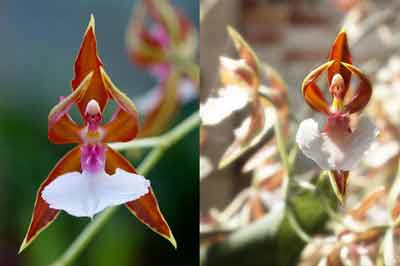 3.Oncidium…Beautiful Dancing Girl Orchids
The Oncidium family is very large and includes many flower varieties. The most common flower variety is often referred to as the “dancing lady”.Oncidium types that have thin leaves, pseudobulbs, and branching sprays with flowers colored in yellow and mahogany…..
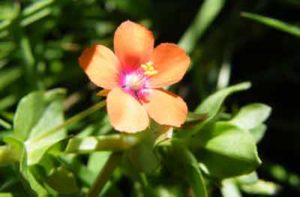
 2.Most of the flowers have patterns of lines on their petals this act as a guide for insects to move toward the glands which produce nectar. Generally these glands are the base of the petals. Some of the flowers display these patterns in the UV rays they reflect.
 3.The first diesel engine ran on peanut oil.
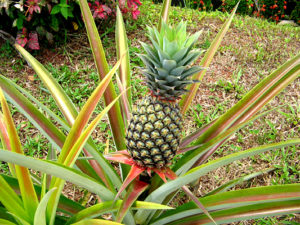 6.Ingredients in pine apple might cause an abortion if eating during pregnancy.
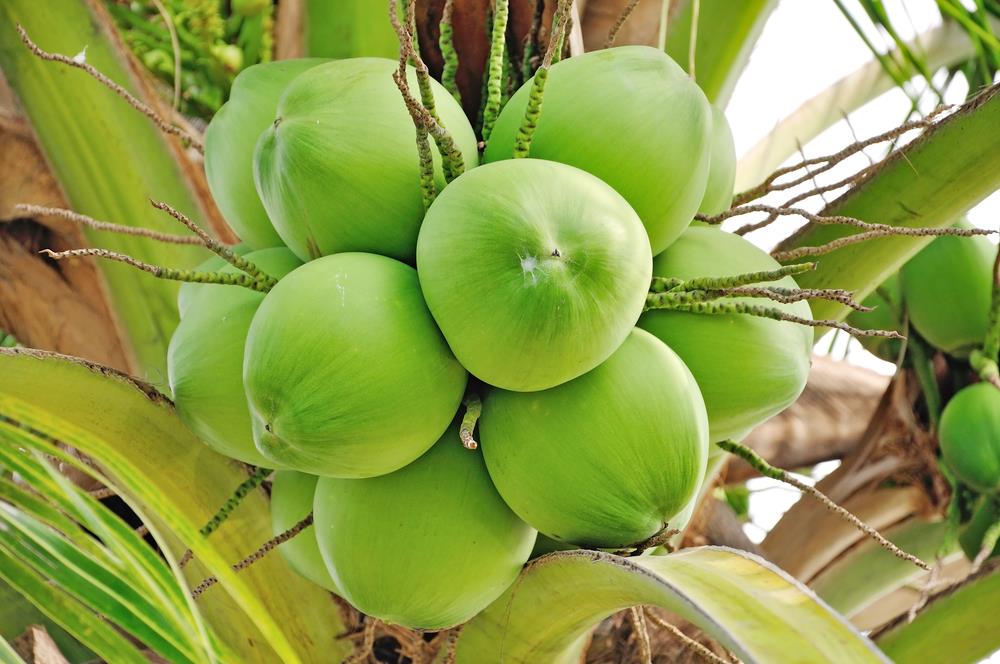
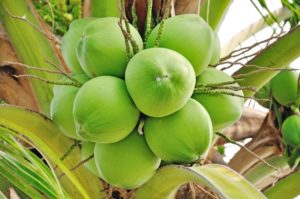 7.The liquid inside young coconuts can be used as substitute for blood plasma.
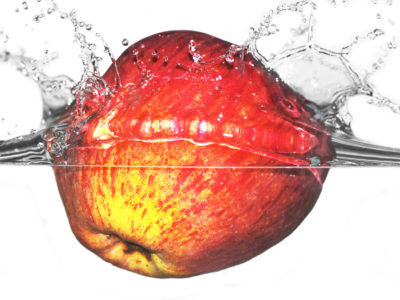
 8.Small pockets of air inside cranberries cause them to bounce and float in water.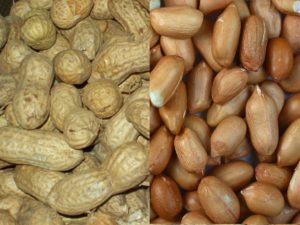
 10.80% percent of the earth’s original forests have been cleared or destroyed.